 Indonesia






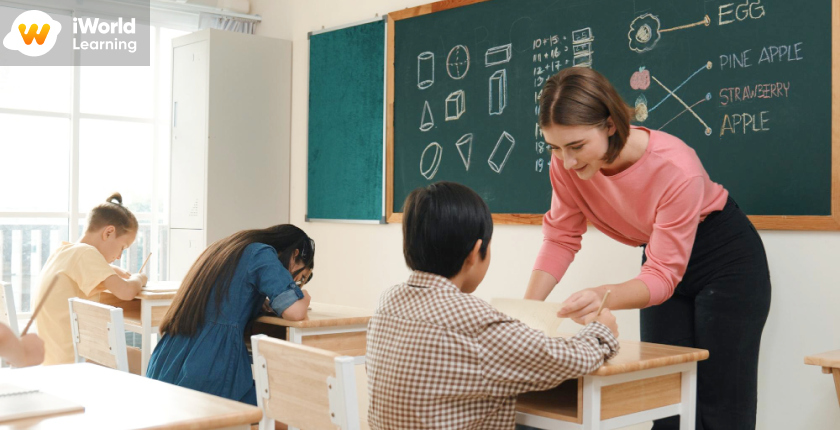
As we step into 2025, the pace of global integration is accelerating faster than any period in recent history. Education systems, industry structures, and the competitive environment for younger generations are all transforming at a remarkable speed. In this context, English—the dominant language in global education, business communication, scientific research, and technological innovation—has evolved from a “useful skill” into an essential competency for every child’s development.
Many parents often ask:
“Does my child really need to learn English?”
“Is earlier language learning truly better?”
“What kind of language skills will the future demand?”If we look back at the past few years, a clear trend emerges: children who master English tend to perform better academically, think more critically, and enjoy far more opportunities in their education and future careers. With the rapid development of AI, the rise of cross-border learning, and the explosion of online educational resources, the importance of English has not declined—on the contrary, it has become one of the core abilities children must acquire to thrive in the future.
This article explains in depth the 7 essential reasons why kids must learn English in 2025, supported by real teaching experience from language education professionals, helping parents understand the true value of English in a child’s growth.
1. English Is the World’s Most Important Global Language
For decades, English has been the most influential language in global communication. Whether in international conferences, travel, academic collaboration, or online platforms, English plays a central role.
For children, this means:
■ The earlier they learn, the more confident they become in cross-cultural communication
Kids exposed to English during the golden age of language acquisition interact more naturally with others from different cultural backgrounds. In settings like international camps, cross-border virtual classrooms, or overseas travel, they can follow instructions easily and express themselves with confidence.
■ English proficiency = future social competence
As society becomes increasingly international, English becomes more than an academic tool—it becomes a bridge that helps children build friendships, connections, and networks that influence their future.
2. English Accelerates Academic Growth
Many high-quality educational resources today are not available in local languages but primarily in English.
Examples include:
- International curricula (IB, Cambridge, AP)
- High-quality documentaries and educational videos
- Online courses from top global universities (MOOCs)Simply put: the stronger a child’s English comprehension, the wider their access to global knowledge.
■ English helps children “understand the world”
Whether researching information, watching science videos, or reading reference books, English proficiency enables kids to absorb cutting-edge knowledge more efficiently—without relying on delayed translations.
■ Learning English enhances overall learning ability
Parents often notice that bilingual children perform better in reading, writing, and logic. This is because mastering two languages trains the brain to process information more effectively, improving their academic performance across subjects.
3. Strengthens Logical and Critical Thinking
Multiple international studies have confirmed that bilingual children have stronger cognitive abilities. When children switch between languages, the brain activates the prefrontal cortex—the area responsible for logic, reasoning, and decision-making.
This enhances:
- Problem-solving
- Creative thinking
- Multi-tasking
- Abstract reasoning
● Information processing■ English is not just a language—it is thinking training
In learning English, kids must understand sentence structures, grammar logic, and contextual meaning. These processes naturally sharpen their analytical skills.
Many international school teachers repeatedly observe:
“Kids with strong English skills usually excel in math, science, and reading comprehension.”
This is not a coincidence—it reflects the cognitive benefits behind bilingual learning.
4. Unlocks More Future Opportunities
Whether a child chooses academics, arts, business, or technology in the future, English is the universal tool that opens doors.
■ English is the key to entering top global universities
Most prestigious universities require standardized English tests such as:
- IELTS
- TOEFL
- Cambridge English
- Duolingo English TestEven many local universities now prioritize English proficiency when admitting students.
■ English = competitive advantage in future careers
Global companies, multinational corporations, and international institutions all look for candidates who can communicate in English. Children who master English today will naturally enjoy more career opportunities in the future.
■ English gives kids the most important gift: freedom of choice
From scholarships to international competitions, from exchange programs to overseas internships—English proficiency expands a child’s life possibilities.
5. Improves Online Literacy and Digital Competency
Statistics show that over 50% of content on the internet is in English.
This means:
the better a child’s English, the wider their access to global information.
For example:
- Online learning platforms (Coursera, edX)
- Scientific content (NASA, TED, National Geographic)
- Technical resources (Stack Overflow, GitHub)
- International social media contentFor children, this is not just information—this is their gateway to the world.
■ English is the foundation of independent learning
Future education places emphasis on:
self-learning > memorization
English empowers children to explore, research, and solve problems independently—skills that define successful learners.
6. Builds Confidence and Helps Children Express Themselves
Language is the foundation of expression.
When children speak English fluently, they gain confidence in:
- International speech competitions
- School debates
- English presentations
- Communication with foreign teachersMany children become more outgoing and expressive after mastering English—not because they “become smarter,” but because language gives them the confidence to speak up.
7. Childhood Is the Golden Age for Language Learning
Early childhood is the most effective period to acquire a new language.
Kids have:
- Excellent pronunciation mimicry
- Faster vocabulary retention
- More natural accent development
- Zero fear of learning new languagesThis is why many language institutions recommend starting English between ages 4–12. During this stage, children can achieve near-native fluency with proper training.
■ Early exposure helps children develop “language intuition”
Kids with language intuition don’t rely on memorizing grammar—they understand English naturally and express themselves effortlessly.
From “Knowing English” to “Using English” — Why a Professional Language School Matters
While many learning resources are available today, only a structured and scientific curriculum can truly build long-term English competence. Effective programs include:
- Age-appropriate learning levels
- Training across listening, speaking, reading, and writing
- Immersive, interactive classrooms
- Pronunciation coaching
- Systematic vocabulary development
- Project-based learning (PBL)
- Continuous progress assessmentThese methods ensure kids truly internalize the language—not just memorize words.
At iWorld Learning — Helping Children Learn Smarter, Not Harder
iWorld Learning has been deeply rooted in Jakarta’s language education field for many years, specializing in English courses for children aged 4–15.
Our program highlights include:✓ Professional teaching team (local & international teachers)
✓ Small-class learning environment
✓ All-round training in listening, speaking, reading, and writing
✓ Curriculum aligned with international learning standards
✓ Engaging, scenario-based lessons that encourage speaking
✓ Regular assessments and personalized feedback
✓ A complete level-based system suitable for all learnersAt iWorld Learning, children don’t just “learn English”—they use English confidently, developing global perspectives and essential skills for the future.
📞 Book a Free Trial Class
If you’re looking for a structured, effective English learning program for your child, contact us today. We’ll arrange a free trial session so you can experience our professional classes firsthand.
📱 WhatsApp / Phone: +62 813 1885 6165
🌐 Website: idn.iworldlearning.com
📍 Address: Marina Raya Road, BLOK B/27, North Jakarta
(Only 5 minutes from PIK Avenue)

